

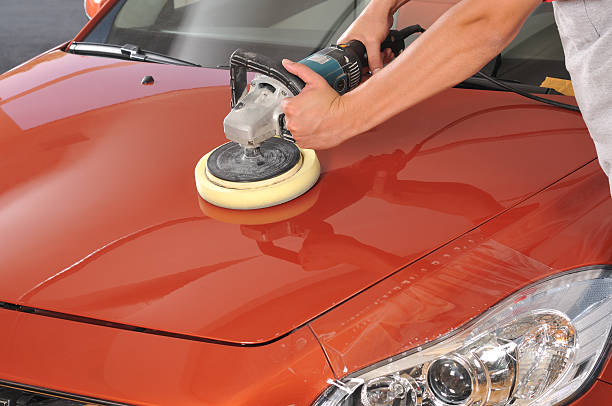
A freshly waxed car doesn’t just look incredible, it also protects your vehicle’s paint from UV rays, dirt, water spots, oxidation, and environmental contaminants. Whether you drive a daily commuter, luxury sedan, truck, or sports car, learning how to wax a car properly can help maintain showroom shine and preserve your vehicle’s value for years.
Many car owners think waxing is difficult or only for professional detailers, but the truth is that with the right tools and techniques, anyone can achieve professional-level results at home. This guide covers everything you need to know, from preparation to buffing, so you can wax your car like a pro.
Why Waxing Your Car Is Important?
Car wax acts as a protective barrier between your vehicle’s paint and harmful outside elements.
Benefits of waxing include:
- ✨ Enhances gloss and shine
- ☀️ Protects against UV damage
- 💧 Repels water and contaminants
- 🛡️ Reduces oxidation and fading
- 🧼 Makes future washing easier
- 🚘 Helps maintain resale value
Without regular waxing, your car’s clear coat becomes vulnerable to environmental damage over time.
What You Need Before Waxing?
Before learning how to wax a car, gather the proper supplies.
Essential Tools:
- Car wash soap
- Microfiber wash mitt
- Bucket system
- Microfiber drying towels
- Foam or microfiber applicator pads
- Clean microfiber buffing towels
- Car wax (paste, liquid, or spray)
Optional but Recommended:
- Clay bar kit
- Quick detail spray
- Dual-action polisher
Using quality materials prevents scratches and improves final results.
Step 1: Wash the Car Thoroughly
Wax should never be applied to a dirty surface.
How to wash properly:
- Rinse the vehicle completely
- Use pH-balanced car shampoo
- Wash top to bottom
- Use the two-bucket method to reduce swirl marks
- Dry with microfiber towels
Why this matters:
Any dirt left on the paint can become trapped under the wax and scratch the surface during application.
Step 2: Decontaminate the Paint (Clay Bar Treatment)
If your paint feels rough after washing, contaminants are embedded in the surface.
Signs you need a clay bar:
- Rough texture
- Tree sap residue
- Industrial fallout
- Overspray or stubborn grime
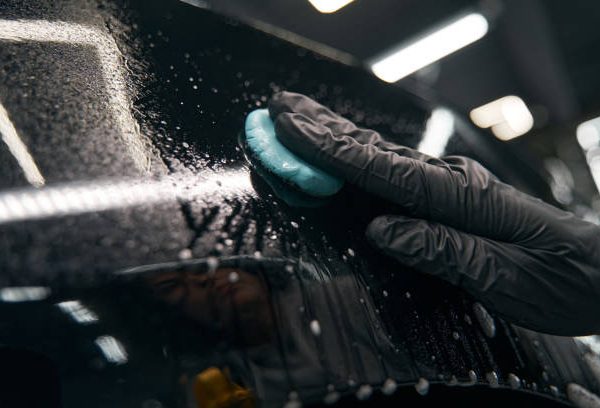
How to clay bar:
- Spray lubricant or detail spray on the surface
- Glide the clay bar gently across the paint
- Wipe clean with a microfiber towel
This process creates a perfectly smooth surface so the wax bonds properly.
Step 3: Choose the Right Environment
Professional detailers always wax cars under the right conditions.
Best conditions:
- Park in the shade
- Surface should be cool to the touch
- Avoid direct sunlight
- Work in low-dust environments
Heat can cause wax to dry too quickly, making removal difficult and streaky.
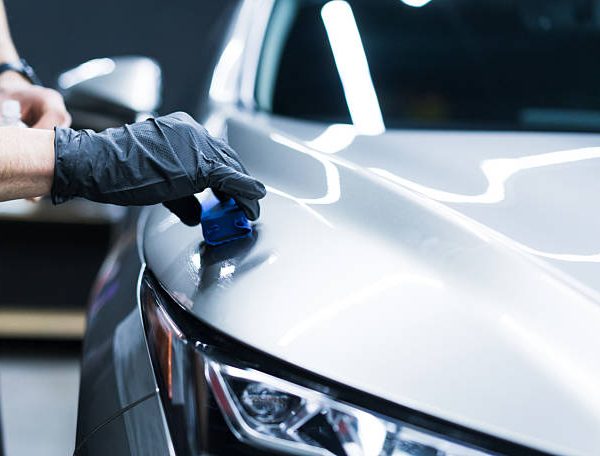
Step 4: Apply the Wax Properly
This is the most important part of learning how to wax a car.
Golden Rule:
Less is more
Applying too much wax does not improve protection it only creates excess residue.
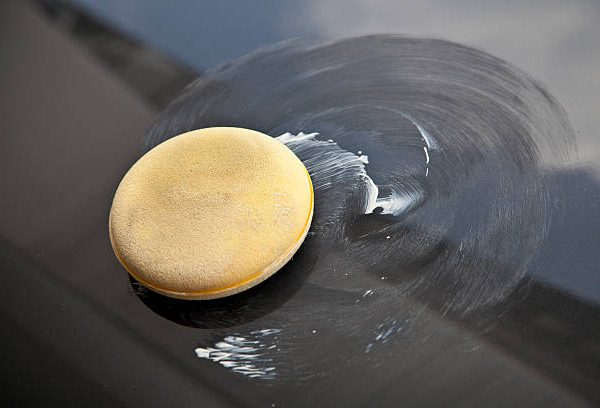
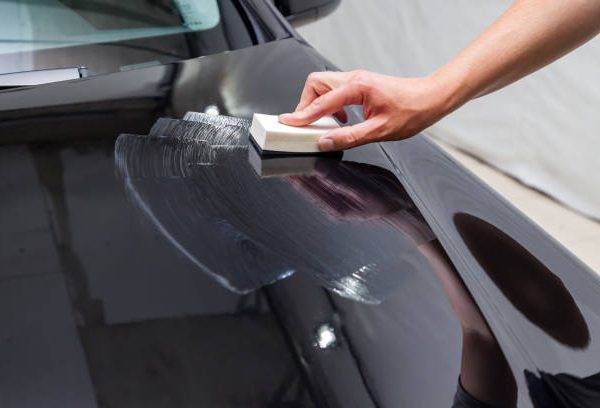
How to Wax a Car by Hand?
Step-by-step process:
1. Prime the Applicator
Add a small amount of wax to your foam applicator pad.
2. Work in Small Sections
Focus on:
- One panel
- Half a hood
- A 2×2-foot area at a time
3. Apply Thin, Even Layers
Use:
- Circular motions OR
- Cross-hatch pattern (side-to-side then up-and-down)
4. Keep Pressure Light
You are spreading wax, not scrubbing paint.
Step 5: Allow the Wax to Haze
Most waxes need time to cure before removal.
Typical wait time:
- 5 to 15 minutes
Use the Swipe Test:
Lightly swipe your finger across the waxed surface.
✔️ If it leaves a clean streak → ready to buff
❌ If it smears → wait longer
Always follow product instructions because curing times vary.
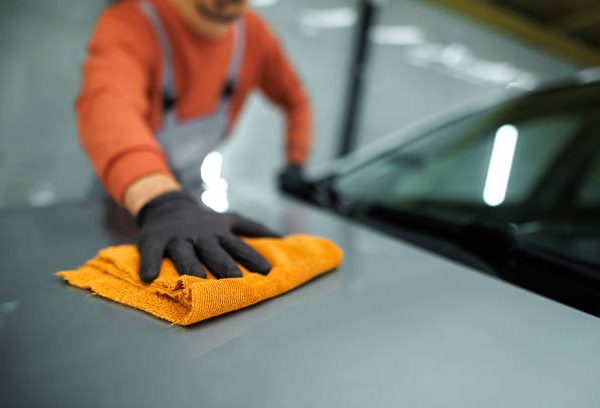
Step 6: Buff Off the Wax
Once the wax has hazed properly:
Use:
- Clean, dry microfiber towel
Buffing technique:
- Use light pressure
- Flip the towel frequently
- Work in straight lines or gentle circles
Buff until the surface becomes glossy and reflective.
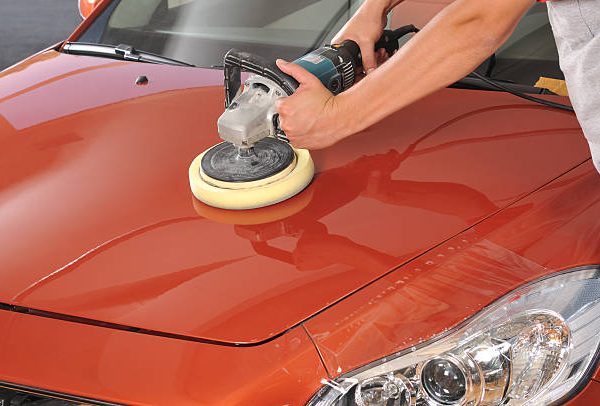
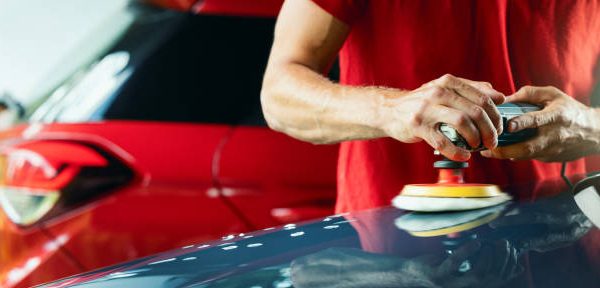
How to Wax a Car With a Machine Polisher?
For faster and more even results, many enthusiasts use dual-action polishers.
Benefits:
- Faster application
- Consistent coverage
- Better shine
- Less physical effort
Basic process:
- Attach a soft finishing pad
- Apply small dots of wax to the pad
- Use the low speed setting
- Work slowly in overlapping passes
Machine waxing is ideal for larger vehicles and experienced detailers.
Types of Car Wax
Understanding wax types helps you choose the best option.
Paste Wax
- Long-lasting protection
- Deep shine
- Best for enthusiasts
Liquid Wax
- Easy application
- Great for beginners
- Balanced durability
Spray Wax
- Fast and convenient
- Ideal for maintenance
- Shorter protection lifespan
How Often Should You Wax Your Car?
Frequency depends on:
- Climate
- Driving conditions
- Wax type
General guidelines:
- Paste wax: every 3–4 months
- Liquid wax: every 2–3 months
- Spray wax: every few weeks
Vehicles exposed to strong sun or harsh weather may need more frequent waxing.
Common Waxing Mistakes to Avoid
Many beginners make simple mistakes that reduce results.
Avoid these errors:
❌ Waxing in direct sunlight
❌ Applying wax too thick
❌ Using dirty towels
❌ Skipping paint preparation
❌ Buffing too aggressively
❌ Waxing a dirty car
Proper preparation is just as important as the wax itself.
Extra Tips for Professional Results
Want that true showroom finish?
Pro tips:
- Use premium microfiber towels
- Replace towels once saturated
- Apply two thin coats for better coverage
- Finish with a detail spray for extra gloss
- Protect freshly waxed paint from rain for 12–24 hours
Benefits of Regular Car Waxing
Consistent waxing does more than improve appearance.
It also:
- Prevents paint fading
- Protects against bird droppings and bugs
- Improves water beading
- Makes cleaning easier
- Maintains smooth paint texture
A properly waxed car stays cleaner longer and retains its shine much better.
Final Thoughts
Learning how to wax a car is one of the best ways to keep your vehicle looking glossy, protected, and professionally maintained. With proper preparation, thin application, and careful buffing, you can achieve detail-shop results right from your driveway.
Whether you choose paste wax, liquid wax, or spray wax, consistency is the key to long-lasting protection. A well-waxed car not only turns heads but also protects your paint from everyday damage and environmental wear.
By following the right techniques and avoiding common mistakes from Discover Local Now, you can wax your car like a true professional and enjoy a deep, mirror-like shine every time.