

In today’s highly competitive digital landscape, visibility is everything, especially for local businesses trying to appear in Google search results quickly. One of the most discussed tools in modern SEO workflows is the Local SEO Rapid URL Indexer, a solution designed to speed up how search engines discover and index new web pages, backlinks, and local landing pages.
If your goal is to improve rankings, get “near me” visibility faster, and ensure your content appears in Google’s index without long delays, then understanding how a rapid URL indexing system works is essential.
What Is Local SEO Rapid URL Indexer?
A Local SEO Rapid URL Indexer is a tool or service that accelerates the process of getting web pages discovered and indexed by search engines like Google, Bing, and Yahoo.
Normally, search engines take days or even weeks to crawl and index new pages. However, rapid indexing tools help reduce this delay by actively submitting URLs through APIs, ping systems, and indexing networks.
This is especially valuable for:
- Local business landing pages
- Service area pages
- New blog posts
- Backlinks created in off-page SEO campaigns
- Google Business Profile supporting pages
In simple terms, it helps your content get “seen” faster by search engines.
Why Indexing Speed Matters in Local SEO?
Indexing is the foundation of SEO visibility. If your page is not indexed, it cannot rank, no matter how well optimized it is.
For local SEO, speed is even more important because:
- Local search competition is time-sensitive
- “Near me” results update frequently
- Businesses compete for map pack visibility
- Fresh content gets ranking priority
A delay in indexing means your competitors may outrank you simply because their pages were discovered earlier.
How Local SEO Rapid URL Indexer Works?
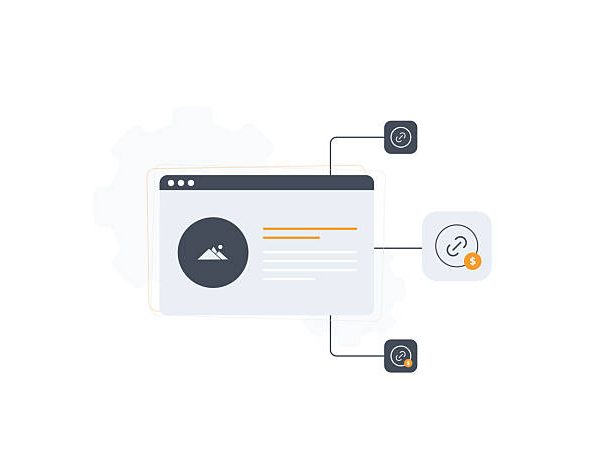
A rapid URL indexer works by sending strong discovery signals to search engines.
1. URL Submission
You submit your page URLs to the indexing tool dashboard or API system. These can include:
- New service pages
- Local landing pages
- Blog posts
- Citations and backlinks

2. Crawling Signals
The tool then sends signals to search engine bots using methods like:
- API-based submission
- Crawling requests
- Ping services
- Indexing networks
3. Crawl Acceleration
Search engines are encouraged to crawl the submitted URLs faster than organic discovery.

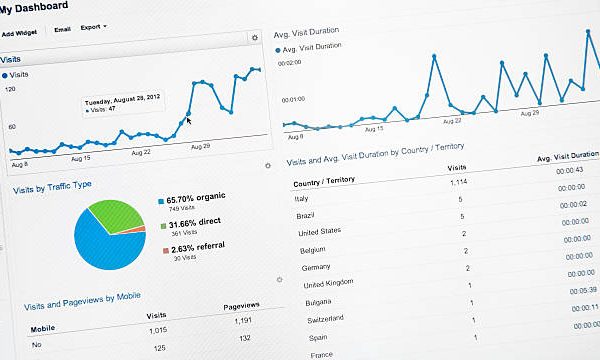
4. Monitoring & Reporting
Most tools provide tracking dashboards showing:
- Indexed URLs
- Pending URLs
- Failed submissions
- Crawl status updates
Key Benefits of Local SEO Rapid URL Indexer
1. Faster Search Engine Visibility
The biggest advantage is speed. Instead of waiting weeks, your pages may be indexed in:
- 24 hours
- 48–72 hours
- Sometimes even within minutes
This is crucial for time-sensitive local campaigns.
2. Improved Local Rankings
When your pages get indexed quickly, they enter the ranking system earlier. This helps:
- Gain early impressions
- Test keyword performance faster
- Improve local pack visibility
In competitive industries like HVAC, roofing, pest control, and cleaning services, speed can be a ranking advantage.
3. Faster Backlink Impact
Backlinks only help SEO when they are indexed.
Rapid URL indexing ensures:
- Faster backlink recognition
- Quicker authority transfer
- Improved domain trust signals
Without indexing, even high-quality backlinks provide no SEO value.
4. Better “Near Me” Performance
Local SEO depends heavily on real-time search results.
Rapid indexing helps your:
- Service pages appear faster in “near me” searches
- Location pages get discovered quickly
- Google Maps-related content updates faster
This is especially important for mobile users searching on the go.
5. Supports Fresh Content Strategy
Google favors fresh content in many niches.
With rapid indexing, businesses can:
- Publish more frequently
- Test new landing pages
- Launch campaigns faster
- React to seasonal demand
Common Use Cases in Local SEO
Local SEO professionals use rapid URL indexers for:
Service Pages
Example:
- “Roof Repair in Miami”
- “Pest Control in Dallas”
- “Plumbing Services Near Me”
Location Pages
Businesses with multiple service areas rely on indexing tools for:
- City-specific landing pages
- Neighborhood pages
- Regional SEO targeting
Blog Content
SEO blogs often need quick indexing to:
- Capture trending keywords
- Rank for long-tail searches
- Build topical authority
Backlink Indexing
Off-page SEO campaigns depend on fast indexing of:
- Guest post links
- Directory submissions
- Web 2.0 backlinks
- Citation listings
Limitations of Rapid URL Indexing Tools
While powerful, these tools are not a guarantee of ranking or indexing success.
1. Not All URLs Get Indexed
Some pages may remain unindexed due to:
- Low-quality content
- Thin pages
- Duplicate content
- Technical SEO issues
2. Doesn’t Replace SEO Fundamentals
Rapid indexing does NOT replace:
- Keyword optimization
- Internal linking
- Content quality
- Technical SEO structure
3. Overuse Can Be Ineffective
Submitting too many low-quality URLs may reduce effectiveness.
Google still prioritizes:
- Authority
- Relevance
- User value
Best Practices for Using Local SEO Rapid URL Indexer
To maximize results, follow these strategies:
1. Submit High-Quality Pages Only
Focus on pages that:
- Provide real value
- Target local keywords
- Have strong on-page SEO
2. Combine With Internal Linking
Ensure every new page is connected to:
- Homepage
- Service pages
- Blog categories
This improves crawlability.
3. Use Google Search Console Too
Rapid indexing tools should complement, not replace:
- Google Search Console URL inspection
- Sitemap submission
4. Build Strong Backlinks
Indexing works best when combined with:
- High-authority backlinks
- Local citations
- Relevant guest posts
Rapid URL Indexer vs Organic Indexing
| Feature | Organic Indexing | Rapid URL Indexer |
| Speed | Slow (days/weeks) | Fast (hours/days) |
| Control | Low | High |
| Cost | Free | Paid tools |
| Reliability | Medium | Higher (for fresh content) |
Organic indexing is still essential, but rapid tools help speed up initial discovery.
Who Should Use Local SEO Rapid URL Indexer?
This tool is especially useful for:
- Local SEO agencies
- Digital marketing freelancers
- Service-based businesses
- E-commerce stores with local pages
- Affiliate marketers
- Multi-location businesses
If your business relies on local search traffic, this tool can provide a competitive edge.
Future of URL Indexing in SEO
Search engines are evolving toward:
- Faster crawling algorithms
- AI-based indexing decisions
- Real-time content discovery
- Improved spam detection
This means rapid indexing tools will likely continue evolving, but content quality will remain the most important ranking factor.
Final Thoughts
The Local SEO Rapid URL Indexer is a powerful SEO tool designed to speed up the discovery and indexing of important web pages. While it does not guarantee rankings, it significantly improves how quickly your content enters Google’s system.
For local businesses competing in crowded markets, faster indexing can lead to:
- Earlier visibility
- Faster ranking potential
- Better backlink performance
- Improved local search presence
When used correctly alongside strong SEO fundamentals, rapid URL indexing becomes a valuable part of a modern local SEO strategy.
If your goal is to dominate local search results, combining quality content, strong backlinks, and rapid indexing can give you a real competitive advantage. Learn more on Discover Local Now.