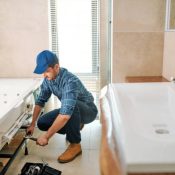

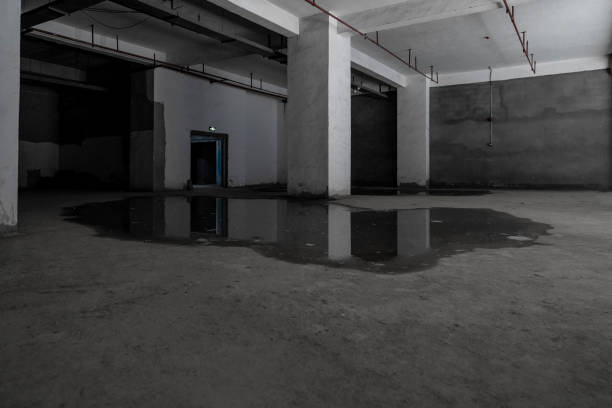
Water in basement areas is one of the most common and frustrating problems homeowners face. Even a small amount of moisture can lead to mold growth, structural damage, unpleasant odors, damaged belongings, and expensive repairs. Basement water problems often become worse during heavy rain, snowmelt, plumbing leaks, or poor drainage conditions around the home.
Preventing water in basement spaces requires a combination of proper drainage, foundation protection, waterproofing systems, and routine maintenance. By understanding the common causes of basement moisture and taking proactive steps, homeowners can protect their property and avoid costly water damage.
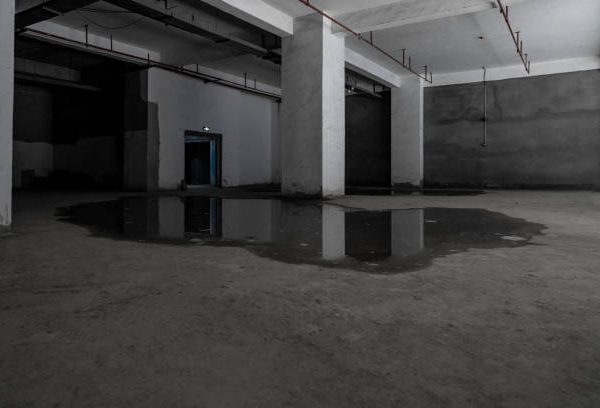
What Causes Water in Basement Areas?
Before preventing water intrusion, it is important to understand where the moisture is coming from. Basement water problems usually happen because water collects around the home’s foundation and eventually finds a path inside.
Common causes of water in basement areas include:
- Poor yard grading
- Clogged gutters
- Short downspouts
- Foundation cracks
- Hydrostatic pressure
- Basement floor cracks
- Plumbing leaks
- Faulty sump pumps
- Heavy rainfall
- High groundwater levels
Water can enter through basement walls, floor joints, window wells, utility penetrations, or tiny foundation cracks.
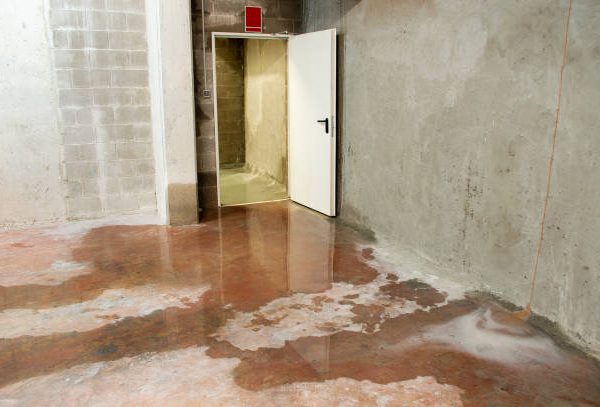
Why Basement Water Problems Should Never Be Ignored
Many homeowners assume small basement leaks are harmless, but even minor moisture issues can create serious long-term damage.
Water in basement spaces may lead to:
- Mold and mildew growth
- Damaged drywall and flooring
- Wood rot
- Foundation deterioration
- Increased humidity
- Pest infestations
- Electrical hazards
- Reduced indoor air quality
In severe cases, continuous water intrusion can weaken structural components of the home.
How to Prevent Water in Basement
There are several effective ways to stop water from entering your basement and reduce future flooding risks.
Improve Yard Grading Around the Foundation
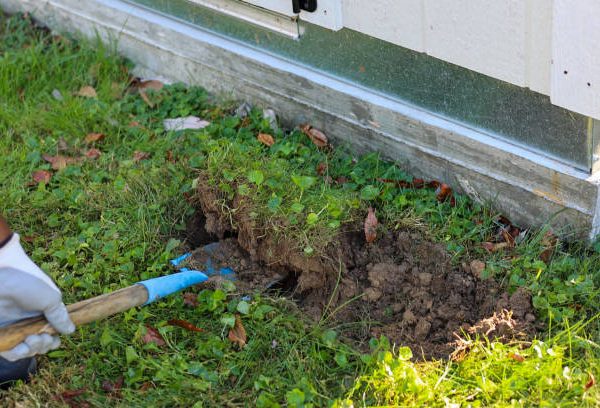
One of the most common causes of basement water is poor exterior grading. The soil surrounding your home should slope away from the foundation so rainwater drains properly.
Experts generally recommend:
- A slope of at least 6 inches over 10 feet
- Avoiding low spots near foundation walls
- Regularly checking for soil settling
If the ground slopes toward your house, water may pool near the foundation and seep into the basement.
Clean and Maintain Gutters
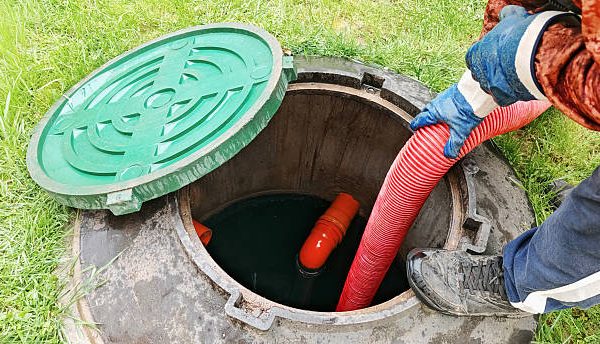
Clogged gutters overflow during rainstorms and dump large amounts of water directly beside the foundation.
To help prevent water in the basement problems:
- Clean gutters regularly
- Remove leaves and debris
- Check for sagging sections
- Repair leaks immediately
Proper gutter maintenance is one of the easiest and most affordable ways to reduce basement water intrusion.
Extend Downspouts Away From the Home
Short downspouts often discharge water too close to the foundation.
Downspouts should extend:
- At least 4–6 feet away from the house
- Toward a safe drainage area
- Away from the basement walls
Downspout extensions and splash blocks can significantly reduce water accumulation near the foundation.
Seal Foundation Cracks
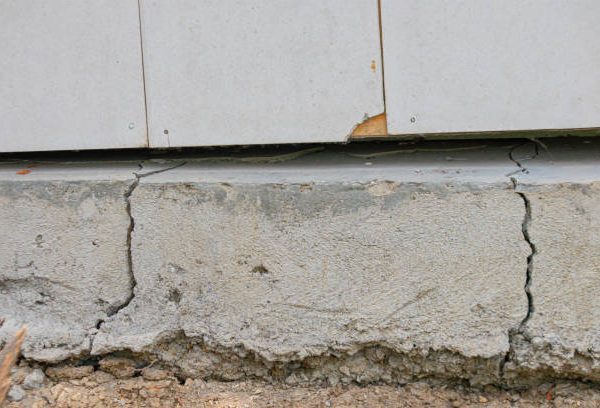
Small cracks in basement walls or floors may allow water seepage during heavy rain or rising groundwater conditions.
Foundation crack repair may involve:
- Epoxy injections
- Polyurethane sealants
- Hydraulic cement
- Professional structural repairs
Even tiny cracks should be inspected because water pressure can gradually widen them over time.
Install a Sump Pump
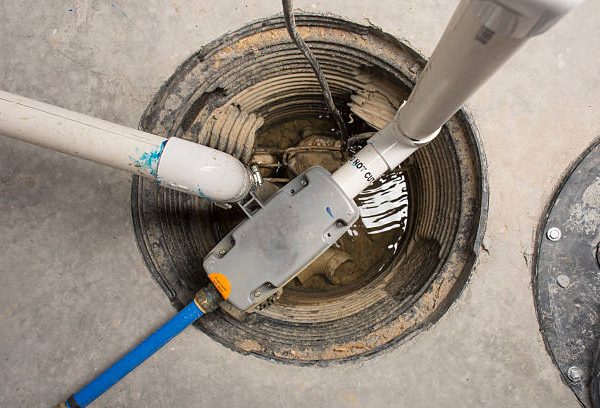
A sump pump helps remove excess groundwater before it floods the basement.
Sump pumps are especially useful for homes with:
- High water tables
- Frequent storms
- Poor drainage conditions
- Recurring basement flooding
Modern sump pump systems often include:
- Battery backups
- Alarm systems
- Automatic activation
- Backup discharge lines
Testing the sump pump regularly helps ensure it works properly during emergencies.
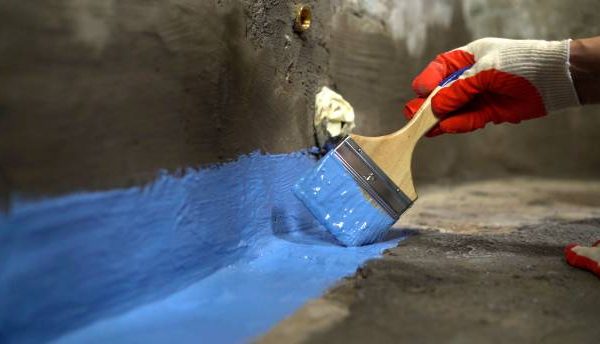
Waterproof Basement Walls
Basement waterproofing adds a layer of protection against moisture intrusion.
Common waterproofing methods include:
Interior Waterproofing
- Sealants
- Vapor barriers
- Interior drainage systems
Exterior Waterproofing
- Waterproof membranes
- Drainage boards
- Exterior foundation coatings
- French drains
Exterior waterproofing is usually more effective because it stops water before it reaches the foundation walls.
Install a French Drain System
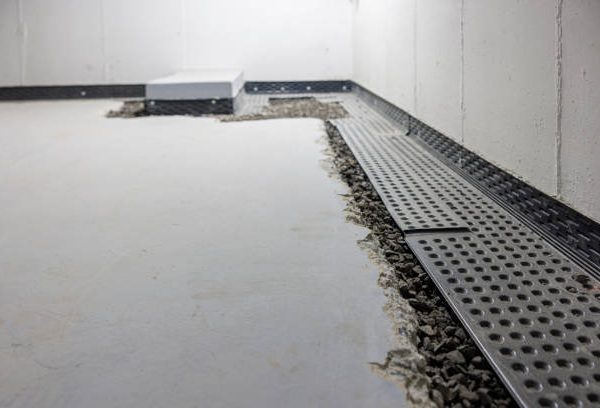
French drains help redirect groundwater away from the home.
These systems typically include:
- Perforated drain pipes
- Gravel trenches
- Filter fabric
- Drain outlets
French drains can be installed:
- Around the exterior foundation
- Inside the basement perimeters
- Near problematic drainage areas
They are especially effective for homes with chronic groundwater problems.
Check Basement Windows and Window Wells
Basement windows are common entry points for water during storms.
To reduce leaks:
- Install window well covers
- Seal gaps around frames
- Keep wells free of debris
- Improve drainage inside the window well
Window wells that fill with water can quickly overflow into the basement.
Reduce Indoor Humidity
Sometimes, basement moisture is caused by humidity rather than direct water leaks.
High basement humidity can lead to:
- Condensation
- Mold growth
- Musty odors
To lower humidity levels:
- Use dehumidifiers
- Improve ventilation
- Insulate cold pipes
- Repair dryer vent leaks
Maintaining indoor humidity below 50% can help prevent moisture-related issues.
Inspect Plumbing Regularly
Burst pipes, leaking appliances, and faulty plumbing fixtures may also cause basement flooding.
Regularly inspect:
- Water heaters
- Washing machine hoses
- Utility sinks
- Basement bathrooms
- Pipe connections
Early leak detection can prevent major water damage.
Signs You May Already Have Basement Water Problems
Some basement water issues develop slowly and may not be immediately obvious.
Warning signs include:
- Damp walls
- Musty smells
- White mineral deposits
- Peeling paint
- Mold spots
- Standing water
- Floor stains
- Rusted metal surfaces
Addressing these symptoms early can prevent larger structural repairs later.
When to Call a Basement Waterproofing Professional?
While some minor moisture problems can be fixed with DIY solutions, severe water intrusion often requires professional inspection.
You should contact a basement waterproofing contractor if you notice:
- Repeated flooding
- Large wall cracks
- Bowing foundation walls
- Persistent mold growth
- Water coming through floor joints
- Sump pump failure
- Major structural concerns
A professional can identify the exact source of water intrusion and recommend long-term solutions.
Cost to Prevent Water in Basement
The cost of basement waterproofing depends on the severity of the issue and the repair method needed.
Average costs may include:
| Service | Estimated Cost |
| Gutter repairs | $150–$800 |
| Downspout extensions | $100–$500 |
| Crack sealing | $300–$1,500 |
| Sump pump installation | $800–$2,500 |
| Interior waterproofing | $2,000–$8,000 |
| Exterior waterproofing | $5,000–$15,000 |
Preventive maintenance is usually much cheaper than repairing extensive flood damage.
Final Thoughts
Preventing water in basement spaces is essential for protecting your home, foundation, indoor air quality, and long-term property value. Most basement water problems are caused by poor drainage, foundation cracks, clogged gutters, or groundwater pressure, but many of these issues can be prevented with proper maintenance and waterproofing solutions.
Simple improvements such as extending downspouts, maintaining gutters, sealing foundation cracks, and installing a sump pump can dramatically reduce the risk of basement flooding. For persistent moisture problems or major water intrusion, working with a professional waterproofing contractor can help ensure a long-lasting solution. Learn more about this service on Discover Local Now.