

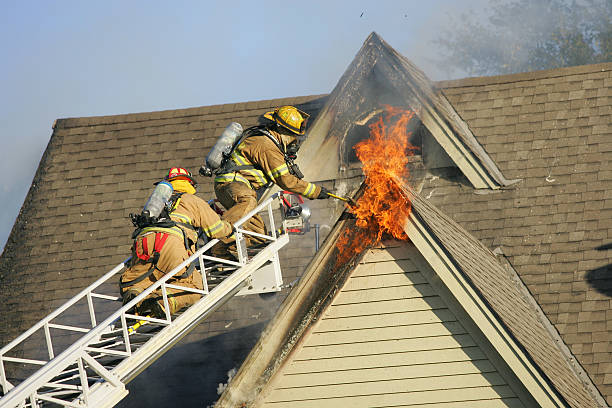
California homeowners are paying closer attention to roofing fire ratings than ever before, especially in wildfire-prone regions where strict building codes apply. If you are planning a roof replacement or installing new shingles, understanding what is fire rating for shingles in California, insurance compliance, and long-term property protection.
In California, the most important roofing classification is the Class A fire rating. This is the highest fire-resistance rating available for residential roofing materials and is required in many wildfire-risk areas throughout the state. Modern asphalt fiberglass shingles, metal roofs, clay tiles, and concrete roofing systems commonly meet this requirement when installed correctly.
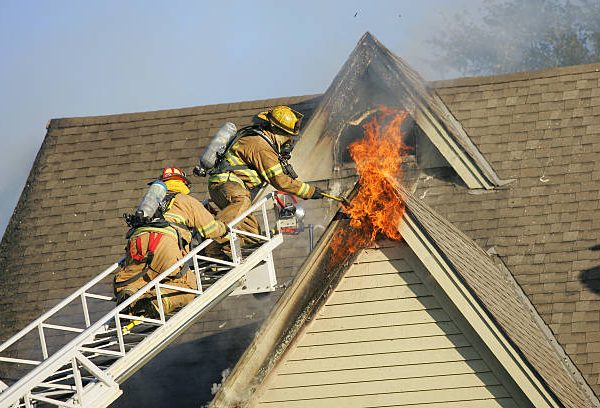
Understanding Roofing Fire Ratings
Roof fire ratings measure how well a roofing system resists external fire exposure, such as:
- Flying embers
- Burning debris
- Direct flames
- Radiant heat
- Flame spread across the roof surface
Roofing materials in the United States are tested using standards such as ASTM E108 and UL 790. These tests determine whether a roof qualifies as:
| Fire Rating | Fire Resistance Level | California Use |
| Class A | Highest protection against severe fire exposure | Required in many California wildfire zones |
| Class B | Moderate fire resistance | Limited use |
| Class C | Basic fire resistance | Rarely acceptable in high-risk zones |
| Unrated | No certified fire resistance | Generally prohibited in fire-prone areas |
California building regulations heavily favor Class A roofing systems because of the increasing risk of wildfires across the state.
What Does a Class A Fire Rating Mean?
A Class A roof is designed to withstand severe fire exposure without allowing flames to penetrate the attic or roof deck. It offers the best protection against airborne embers, which are one of the leading causes of home ignition during California wildfires.
A Class A roofing assembly must successfully resist:
- Flame spread
- Burning brand penetration
- Intermittent flame exposure
- Roof deck ignition
California’s Wildland-Urban Interface (WUI) building codes require Class A roofing systems for homes located in designated fire hazard severity zones.
Why Fire Ratings Matter in California?
California experiences some of the most destructive wildfire seasons in the United States. Because of this, the state has adopted stricter roofing regulations compared to many other regions.
Fire-rated roofing matters because it can:
- Improve home safety
- Reduce wildfire ignition risk
- Help meet insurance requirements
- Increase property value
- Ensure building code compliance
- Lower long-term repair costs
Insurance companies in California increasingly evaluate roofing materials before issuing or renewing homeowner policies. Homes with older wood shake roofs or non-rated systems may face higher premiums or coverage limitations.
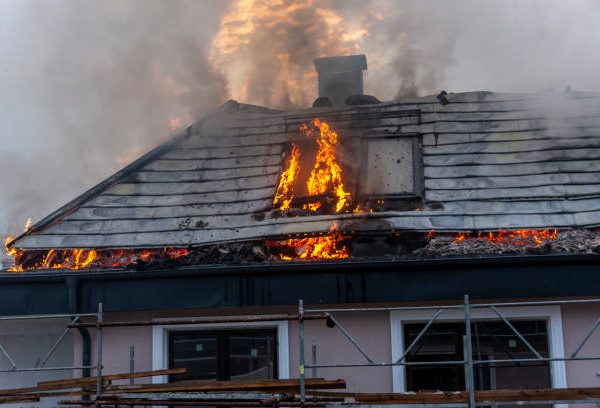
California Roofing Code Requirements
California’s roofing requirements are especially strict in:
- Wildland-Urban Interface zones
- Very High Fire Hazard Severity Zones (VHFHSZ)
- Mountain communities
- Rural fire-prone areas
Most jurisdictions require a Class A roof assembly, not just Class A shingles alone.
That distinction is extremely important.
The fire rating applies to the entire roofing system, including:
- Roofing shingles
- Underlayment
- Roof deck
- Flashing materials
- Ventilation components
A roofing product may only qualify as Class A when installed with approved underlayment and tested assembly components.
Are Asphalt Shingles Class A Rated?
Yes, most modern fiberglass asphalt shingles used in California are Class A rated when installed as part of a compliant roofing assembly.
Architectural asphalt shingles are among the most common roofing materials in California because they offer:
- Affordable pricing
- Good fire protection
- Strong wind resistance
- Multiple design options
- Relatively easy installation
However, not every asphalt shingle automatically qualifies as Class A. The installation method and underlayment system must meet manufacturer specifications and California code requirements.
Best Fire Rating For Shingles in California
Several roofing materials can achieve a Class A fire rating in California.
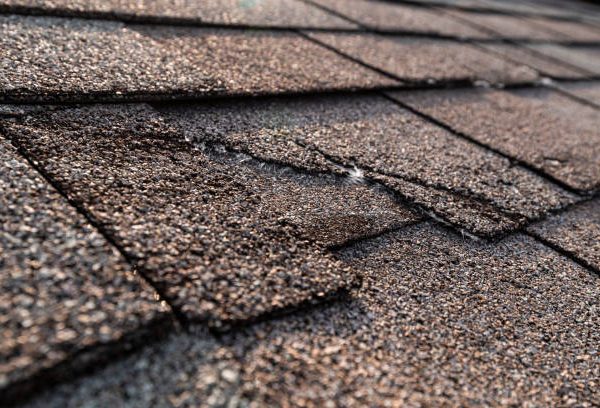
1. Fiberglass Asphalt Shingles
These are the most popular residential roofing materials because they balance cost and fire resistance effectively.
Benefits include:
- Budget-friendly installation
- Wide availability
- Good fire performance
- Easy repairs
- Multiple colors and styles
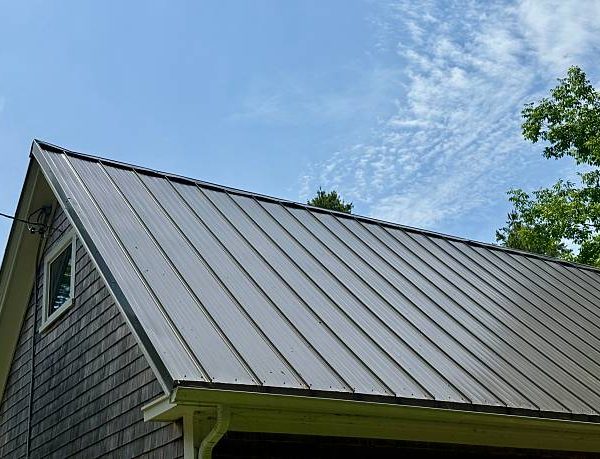
2. Metal Roofing
Metal roofs are considered highly fire-resistant because the material itself is non-combustible.
Advantages include:
- Excellent wildfire protection
- Long lifespan
- Energy efficiency
- Minimal maintenance
However, some metal roofing systems still require fire-rated underlayment to achieve full Class A assembly compliance.
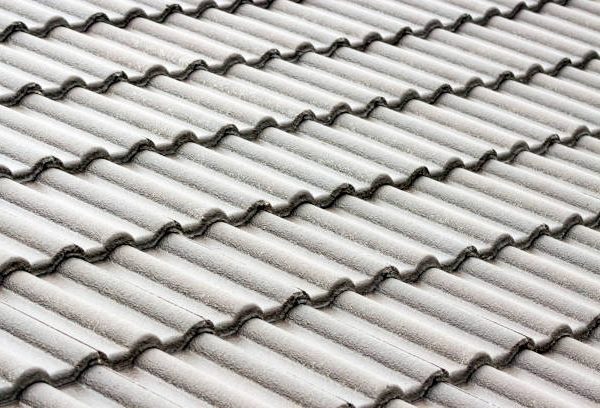
3. Clay and Concrete Tile
Tile roofing is extremely common in Southern California because of its durability and fire resistance.
Benefits include:
- Naturally non-combustible
- Long-lasting performance
- Excellent heat resistance
- Strong curb appeal
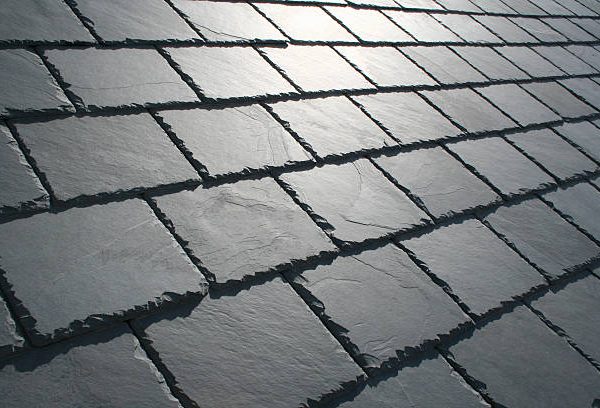
4. Slate Roofing
Natural slate offers one of the highest levels of fire protection available.
Homeowners choose slate because it provides:
- Exceptional durability
- Premium appearance
- Excellent fire resistance
- Long lifespan
Roofing Materials That Are Often Prohibited
Traditional wood shake roofs are heavily restricted or prohibited in many California fire zones.
Even treated wood shingles may only achieve:
- Class B rating
- Class C rating
Over time, fire-retardant treatments can deteriorate due to UV exposure and weather conditions. Because of this, California jurisdictions increasingly discourage wood roofing systems.
Difference Between Class A Shingles and Class A Roof Assemblies
Many homeowners mistakenly believe buying “Class A shingles” automatically guarantees code compliance.
That is not always true.
A Class A roof assembly includes:
- Approved shingles
- Fire-resistant underlayment
- Proper decking
- Correct ventilation components
- Manufacturer-approved installation methods
If a contractor substitutes materials during installation, the roof may lose its certified fire rating.
How Fire Ratings Affect Insurance?
Insurance companies in California are becoming more selective because wildfire claims continue increasing across the state.
A Class A fire-rated roof may help homeowners:
- Maintain insurance eligibility
- Reduce underwriting concerns
- Improve property insurability
- Increase buyer confidence
Some insurers may even require proof of compliant roofing before issuing coverage in wildfire-prone regions.
Tips of Choosing Fire Rating for Shingles in California
When selecting roofing shingles, homeowners should focus on:
Verify Class A Certification
Always confirm the roofing system meets:
- ASTM E108
- UL 790
- California WUI requirements
Hire Experienced California Roofers
Proper installation is critical for maintaining the roof’s fire rating.
Check Local Building Codes
Requirements vary by county and municipality.
Use Approved Underlayment
Underlayment compatibility is essential for achieving full assembly compliance.
Consider Long-Term Durability
California sun exposure and heat can shorten roofing lifespan, especially for lower-quality products.
Final Thoughts
Understanding what fire rating for shingles in California means can help homeowners make safer and smarter roofing decisions. In most wildfire-prone regions, a Class A fire-rated roof assembly is the standard requirement because it offers the highest level of protection against flames, embers, and severe fire exposure.
Modern fiberglass asphalt shingles remain one of the most affordable and widely used Class A roofing options in California, while metal, tile, and slate systems provide even greater fire resistance for homeowners seeking premium protection.
Before replacing your roof, always verify that your chosen roofing system meets California fire safety codes, local regulations, and manufacturer installation requirements. A properly installed Class A roofing system not only protects your home but may also improve insurance eligibility and long-term property value.