

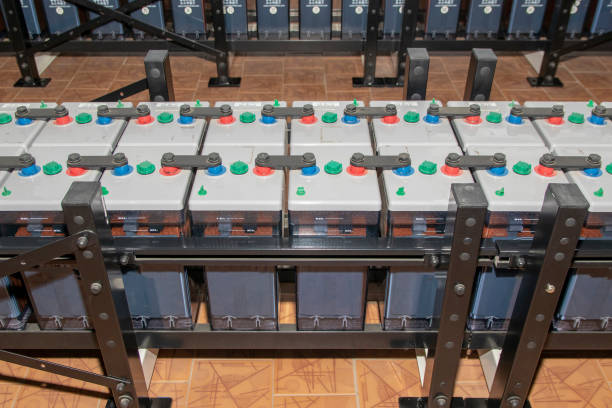
Marine battery safety is a critical part of boat electrical system design, and the American Boat & Yacht Council (ABYC) plays a major role in establishing industry safety standards. Boat owners, marine electricians, manufacturers, and installers often search for ABYC lead acid battery certification requirements to better understand compliance standards for marine battery installations.
Although ABYC does not directly “certify” individual lead acid batteries in the same way some UL organisations certify products, ABYC standards establish strict installation, ventilation, containment, and electrical safety requirements for marine lead acid battery systems. These standards are designed to reduce fire hazards, prevent explosions, improve system reliability, and ensure safe operation on board recreational vessels.
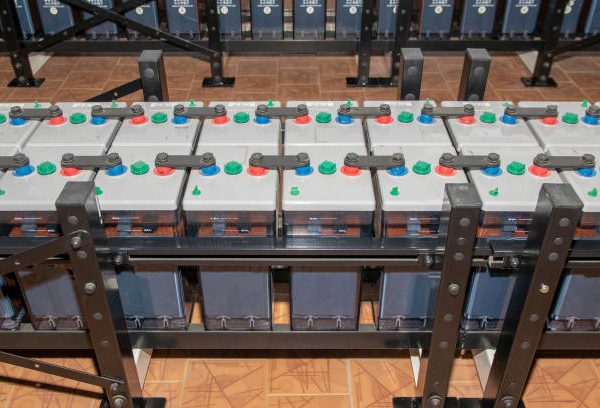
What Is ABYC?
The American Boat & Yacht Council (ABYC) is a nonprofit organisation that develops safety standards for recreational boats and marine electrical systems in the United States.
ABYC standards are widely recognised across the marine industry and are often used by:
- Boat manufacturers
- Marine surveyors
- Insurance companies
- Coast Guard inspectors
- Marine electricians
- Boat repair facilities
Compliance with ABYC standards helps improve marine safety and may also support insurance approvals and vessel inspections.

Understanding ABYC Lead Acid Battery Requirements
Lead-acid battery systems on boats are primarily governed under:
- ABYC E-10 Standard — Storage Batteries
- ABYC E-11 Standard — AC & DC Electrical Systems on Boats
These standards focus on safe installation practices rather than direct battery product certification.
The requirements cover important areas such as:
- Battery mounting
- Ventilation
- Electrical protection
- Terminal insulation
- Cable sizing
- Containment systems
- Overcurrent protection
The goal is to minimise risks associated with:
- Hydrogen gas accumulation
- Battery explosions
- Acid spills
- Electrical shorts
- Corrosion
- Fire hazards
Types of Lead Acid Batteries Covered by ABYC
ABYC standards apply to multiple marine lead acid battery types, including:
Flooded Lead Acid Batteries
Traditional wet-cell batteries contain a liquid electrolyte.
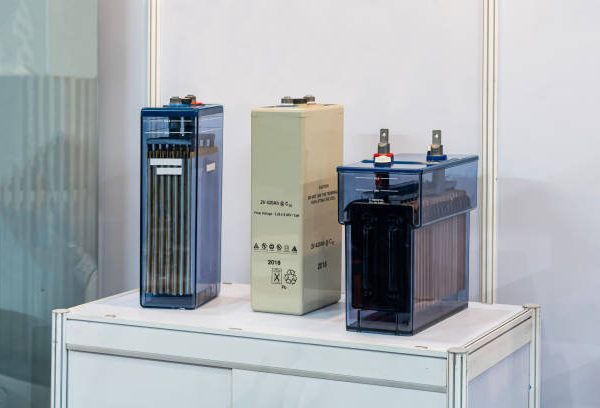
AGM Batteries
Absorbent Glass Mat batteries with sealed construction and lower maintenance requirements.
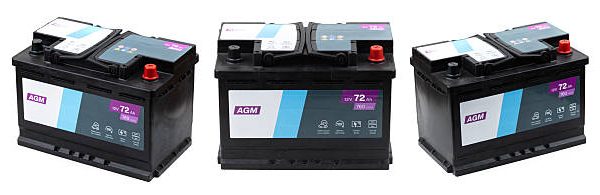
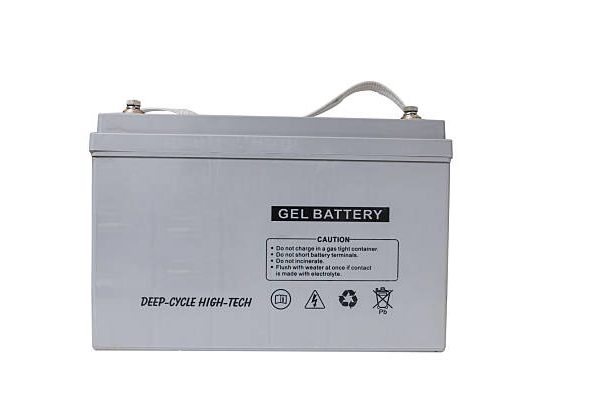
Gel Batteries
Lead-acid batteries using gelled electrolyte for improved vibration resistance.
Although sealed AGM and gel batteries present lower spill risks, they still must comply with ABYC installation standards.
Battery Mounting and Retention Requirements
One of the most important ABYC lead acid battery certification requirements involves secure battery mounting.
Marine batteries must be installed so they remain secure under vessel movement, vibration, and impact conditions.
ABYC standards generally require batteries to withstand:
- Forces equal to twice the battery weight forward
- Forces equal to 1.5 times the battery weight vertically
Improperly secured batteries may shift during rough water conditions, causing:
- Cable damage
- Acid leaks
- Electrical shorts
- Fire risks
Battery trays and hold-down systems must be corrosion-resistant and durable enough for marine environments.
Ventilation Requirements for Lead Acid Batteries
Flooded lead-acid batteries can release hydrogen gas during charging. Hydrogen is highly flammable and may create explosion hazards if trapped in enclosed compartments.
ABYC standards require adequate ventilation to:
- Prevent hydrogen buildup
- Allow gas dissipation
- Reduce ignition risks
Ventilation systems may include:
- Natural ventilation openings
- Forced ventilation systems
- Proper compartment airflow design
Battery compartments should never trap combustible gases near electrical equipment or ignition sources.
Battery Containment Standards
Flooded lead-acid batteries contain sulfuric acid, which can leak or spill if damaged or overturned.
ABYC standards require:
- Acid-resistant battery trays
- Spill containment protection
- Corrosion-resistant mounting materials
Battery compartments should also prevent electrolytes from contacting nearby electrical systems or structural components.
Terminal Protection and Short Circuit Prevention
Marine environments increase the risk of accidental contact between metal tools, equipment, and battery terminals.
ABYC standards require terminal protection measures such as:
- Insulated terminal covers
- Protective boots
- Non-conductive shielding
Positive terminals must be protected to minimise accidental short circuits, which could lead to:
- Electrical fires
- Arc flashes
- Battery damage
- Severe burns
Overcurrent Protection Requirements
ABYC E-11 standards require proper overcurrent protection for marine electrical systems connected to lead-acid batteries.
This typically includes:
- Fuses
- Circuit breakers
- Battery disconnect switches
Overcurrent devices should be installed close to the battery connection point to reduce the length of unprotected cable.
Proper fuse sizing helps protect against:
- Cable overheating
- Electrical fires
- System damage
Marine Battery Cable Requirements
ABYC standards also regulate battery cable installation.
Requirements generally include:
- Marine-grade stranded copper wire
- Corrosion-resistant terminals
- Proper cable support
- Correct ampacity sizing
- Chafe protection
Battery cables must be routed carefully to avoid:
- Sharp edges
- Heat sources
- Fuel lines
- Moving components
Improper cable sizing can lead to voltage drops and overheating.
Ignition Protection Requirements
Electrical equipment installed near lead-acid battery compartments may need ignition protection.
This helps prevent sparks from igniting hydrogen gas.
Ignition-protected components may include:
- Switches
- Motors
- Relays
- Chargers
- Electrical devices
ABYC standards emphasise minimising ignition sources near battery installations.
Charging System Compliance
Marine charging systems connected to lead-acid batteries must operate safely and within battery manufacturer specifications.
Charging equipment should provide:
- Proper voltage regulation
- Temperature compensation
- Safe charging profiles
- Overcharge protection
Incorrect charging practices may cause:
- Excessive gassing
- Reduced battery lifespan
- Overheating
- Explosion risks
Labelling and Accessibility Requirements
ABYC standards encourage clear battery identification and accessible installation layouts.
Battery systems should allow:
- Easy inspection
- Maintenance access
- Emergency disconnection
- Proper labelling of circuits and switches
Emergency battery shutoff access is especially important during electrical failures or onboard fires.
Why ABYC Compliance Matters
Following ABYC lead acid battery requirements provides several important benefits.
Improved Safety
Proper installation reduces fire, explosion, and shock hazards.
Insurance Compliance
Many marine insurers prefer or require ABYC-compliant electrical systems.
Easier Vessel Surveys
ABYC standards are commonly referenced during marine inspections and surveys.
Better System Reliability
Correct battery installation improves long-term electrical performance.
Increased Resale Value
Boats with professionally installed ABYC-compliant systems may attract more buyers.
Common ABYC Battery Installation Mistakes
Some of the most common non-compliant issues include:
- Loose battery mounting
- Exposed terminals
- Missing fuse protection
- Poor ventilation
- Undersized cables
- Corroded connectors
- Improper charger settings
- Inadequate strain relief
Routine inspections help identify safety problems before they become dangerous.
Difference Between ABYC and UL Certification
Many boat owners confuse ABYC standards with UL certification.
ABYC
Focuses on:
- Installation standards
- Marine system safety
- Vessel electrical practices
UL Certification
Focuses on:
- Product testing
- Manufacturing safety
- Laboratory certification
A lead-acid battery may carry UL certification while still requiring ABYC-compliant installation onboard the vessel.
Future of Marine Battery Standards
As marine electrical systems evolve, ABYC standards continue to update to address newer technologies.
While lead-acid batteries remain common, lithium battery systems are becoming increasingly popular in the marine industry. ABYC has introduced additional standards, such as:
- ABYC E-13 for Lithium Ion Batteries
However, lead-acid battery systems still dominate many recreational vessels because of:
- Lower costs
- Proven reliability
- Wide availability
- Simpler charging systems
Final Thoughts
Understanding ABYC lead acid battery certification requirements is essential for safe and reliable marine electrical system installation. While ABYC does not directly certify lead acid batteries themselves, the organisation establishes critical safety standards for battery mounting, ventilation, containment, electrical protection, and overall system design.
Complying with ABYC E-10 and E-11 standards helps reduce fire risks, prevent hydrogen gas hazards, improve electrical reliability, and support safer boating operations. Whether you are a boat owner, marine electrician, or manufacturer, following ABYC guidelines is one of the best ways to ensure long-term safety and performance for marine lead acid battery systems. Learn more about this service on Discover Local Now.