
Water intrusion is one of the most destructive forces affecting buildings over time. Whether it appears as minor damp spots or severe basement flooding, moisture can compromise structural integrity, reduce property value, and lead to costly repairs. This is why foundation waterproofing has become a critical component of modern construction practices.
In today’s building industry, waterproofing is no longer optional, it is a fundamental requirement for durability, safety, and long-term performance. This article explains what foundation waterproofing is, why it matters, how it works, and the best methods used in residential and commercial construction.
What Is Foundation Waterproofing?
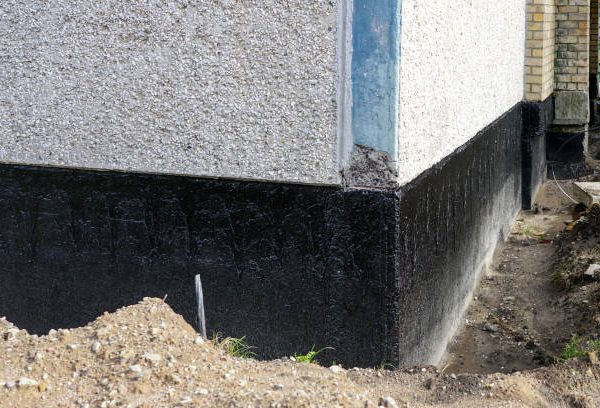
Foundation waterproofing refers to the process of protecting a building’s foundation from water penetration. Since foundations are typically below ground level, they are constantly exposed to soil moisture, groundwater pressure, and rain accumulation.
The goal is to create a continuous moisture barrier that prevents:
- Water seepage through concrete walls
- Basement leaks and flooding
- Structural weakening of foundation materials
- Mold and mildew growth inside buildings
Unlike simple damp-proofing (which only resists light moisture), waterproofing is designed to block significant water intrusion under pressure.
Why Foundation Waterproofing Is Important?
Water is one of the most persistent threats to buildings. Without proper protection, even a well-built structure can deteriorate over time.
1. Protects Structural Integrity
Concrete may look solid, but it is porous. Over time, water can:
- Crack foundation walls
- Cause steel reinforcement corrosion
- Weaken load-bearing capacity
Foundation waterproofing prevents moisture from entering and damaging these structural elements.
2. Prevents Mold and Indoor Air Problems
Excess moisture creates the perfect environment for mold growth. Mold not only damages building materials but also affects indoor air quality, leading to:
- Respiratory issues
- Allergies
- Unpleasant odors
A properly waterproofed foundation keeps basements dry and healthy.
3. Reduces Long-Term Repair Costs
Repairing water-damaged foundations is extremely expensive. Waterproofing during construction is far more cost-effective than fixing:
- Basement flooding
- Structural cracks
- Foundation settlement issues
Investing early saves thousands in future repairs.
4. Increases Property Value
A dry, well-protected foundation improves:
- Home inspection results
- Buyer confidence
- Overall resale value
Most buyers actively avoid properties with water damage risks.
Common Methods of Foundation Waterproofing
There are several professional techniques used in modern construction depending on soil conditions, climate, and building design.
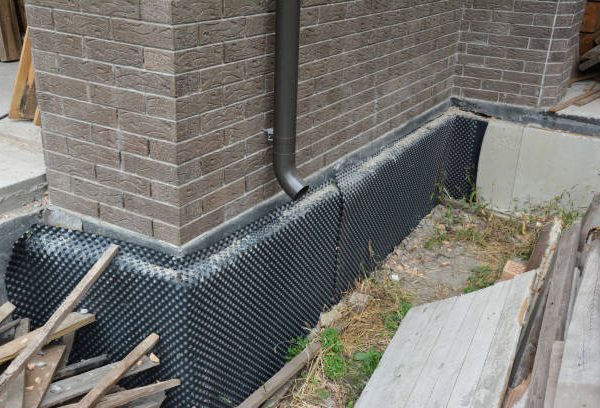
1. Exterior Waterproofing Membranes
This is one of the most effective methods.
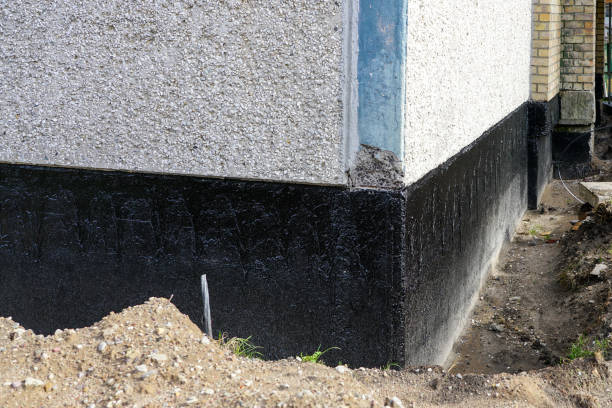
A waterproof membrane is applied to the outside foundation walls before backfilling. It creates a continuous barrier that blocks water from entering the concrete.
Benefits:
- Long-lasting protection
- Directly stops water at the source
- Highly effective in high-moisture areas
2. Liquid Waterproof Coatings
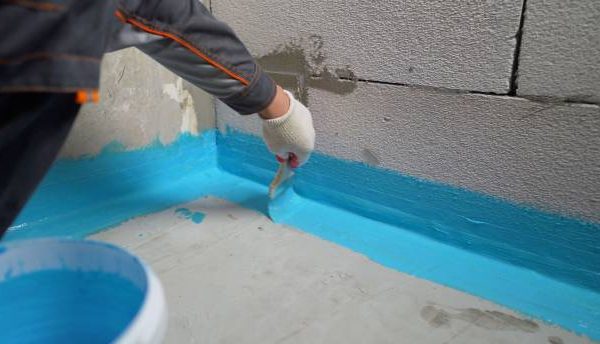
Liquid coatings are applied like paint but form a thick, rubber-like barrier after curing.
These coatings:
- Seal cracks and pores
- Provide flexibility for foundation movement
- Is it easy to apply in new or existing structures
They are commonly used in both residential and commercial projects.
3. Cementitious Waterproofing
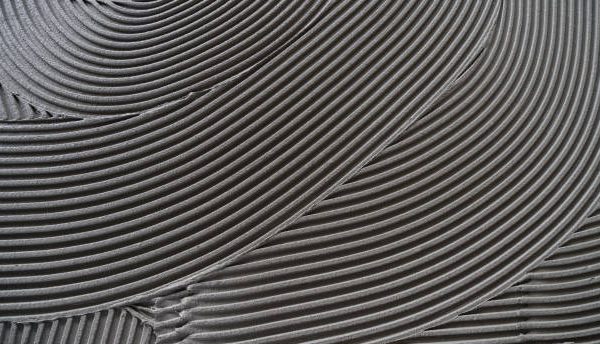
This method uses cement-based mixtures applied to foundation surfaces.
It is often used in:
- Basements
- Water tanks
- Retaining walls
Advantages include:
- Strong adhesion to concrete
- High durability
- Cost-effective solution
4. Drainage Systems (French Drains)
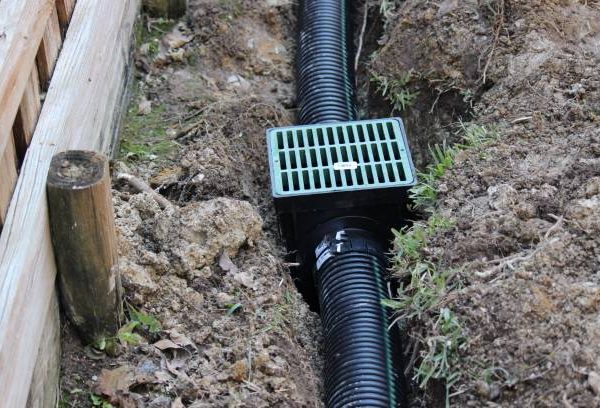
Waterproofing is not only about blocking water but also redirecting it.
Drainage systems help by:
- Collecting groundwater
- Redirecting water away from the foundation
- Reducing hydrostatic pressure
When combined with membranes, drainage systems significantly improve performance.
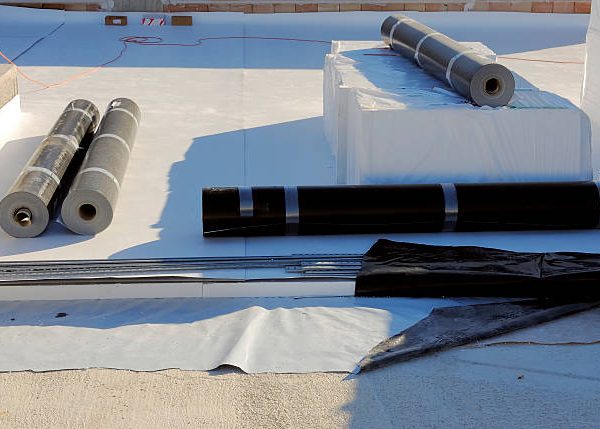
5. Sheet Membranes
These are pre-formed waterproof sheets installed on foundation walls.
They provide:
- Uniform thickness
- Strong resistance to water pressure
- Reliable protection in extreme conditions
Foundation Waterproofing in New Construction vs Existing Homes
New Construction
Waterproofing is easiest and most effective during construction because:
- Walls are exposed
- Materials can be applied before backfilling
- Full system integration is possible
Builders typically apply membranes, coatings, and drainage systems together.
Existing Homes
Retrofitting waterproofing is more complex but still possible.
Common solutions include:
- Interior sealants
- Exterior excavation and membrane installation
- Drainage improvements
- Crack injections
While more expensive, it can still restore a dry basement environment.
Signs Your Foundation Needs Waterproofing
If a foundation is not properly protected, warning signs often appear early:
- Damp or musty basement smell
- Water stains on the walls
- Cracks in foundation walls
- Peeling paint or efflorescence (white powder)
- Standing water after rain
Ignoring these signs can lead to serious structural damage over time.
Factors That Affect Waterproofing Requirements
Not all buildings require the same level of protection. Several factors influence design:
Climate Conditions
Heavy rainfall or snowmelt increases water pressure around foundations.
Soil Type
Clay soils retain water, increasing hydrostatic pressure, while sandy soils drain more easily.
Building Depth
Deeper basements face higher groundwater exposure.
Construction Quality
Poorly compacted soil or weak concrete increases the risk of leaks.
Professional Installation Matters
While some waterproofing products are available for DIY use, professional installation ensures:
- Proper surface preparation
- Correct membrane application
- Integration with drainage systems
- Long-term warranty coverage
Improper installation is one of the main causes of waterproofing failure.
Maintenance Tips for Long-Term Protection
Even a well-waterproofed foundation needs occasional maintenance:
- Inspect basement walls annually
- Clean drainage systems regularly
- Seal minor cracks early
- Ensure gutters direct water away from the foundation
Preventive care extends the lifespan of waterproofing systems significantly.
Conclusion
Foundation waterproofing is one of the most essential aspects of modern construction because it directly protects the strength, safety, and value of a building. Without it, water infiltration can silently damage foundations over time, leading to expensive repairs and structural instability.
By using a combination of membranes, coatings, drainage systems, and proper construction techniques, builders can ensure long-term durability and moisture resistance.
Whether for a new build or an existing home, investing in foundation waterproofing is not just a construction choice, it is a long-term protection strategy that safeguards the entire structure. Learn more today about waterproofing from Discover Local Now.