

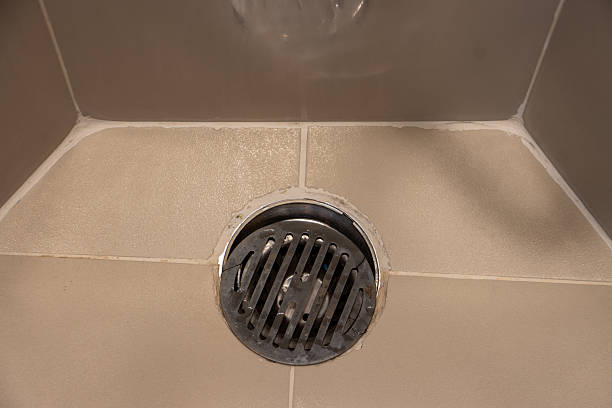
Learning how to unscrew shower drain components properly can save you time, prevent plumbing damage, and help you clear clogs more effectively. Whether your shower drain is stuck, rusted, spinning freely, or simply difficult to remove, understanding the correct removal process is essential before starting any bathroom repair or cleaning project.
Many homeowners remove shower drains to clear hair buildup, replace damaged drain covers, eliminate odors, or prepare for bathroom remodeling. Fortunately, most shower drain covers and drain bodies can be removed with a few basic tools and careful handling.
This step-by-step guide explains how to unscrew shower drain assemblies safely and efficiently using common household tools.
Why You May Need to Remove a Shower Drain?
There are several reasons homeowners search for how to unscrew shower drain systems:
- Hair clogs, causing slow drainage
- Bad odors coming from pipes
- Replacing damaged drain covers
- Deep cleaning of the drain buildup
- Preparing for plumbing repairs
- Installing a new shower floor
- Fixing rusted or corroded drain parts
Different drain types require slightly different removal methods, so identifying your drain style first is important.
Common Types of Shower Drains
Before beginning, determine which type of shower drain you have.
Screw-In Shower Drain
This drain has visible screws securing the drain cover to the shower floor.
Snap-In Drain Cover
These drains pop into place and can usually be pried up gently.
Compression Shower Drain
Compression drains use a rubber gasket and threaded flange.
Tile Shower Drains
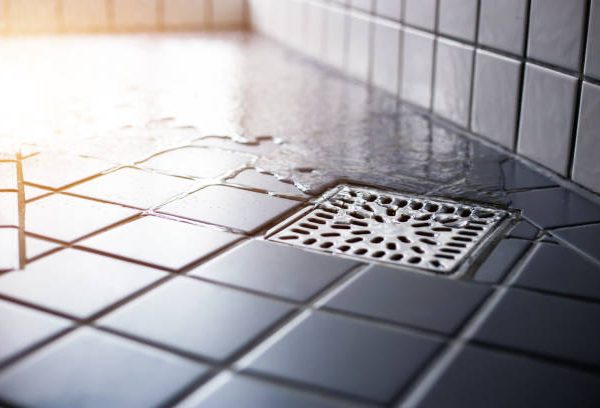
Modern walk-in showers often feature decorative tile drains or linear drains.
Understanding the drain type helps avoid damaging the plumbing during removal.
Tools You May Need
Gather these tools before starting:
- Flathead screwdriver
- Phillips screwdriver
- Needle-nose pliers
- Drain wrench
- Adjustable pliers
- Utility knife
- Flashlight
- Rubber gloves
- Lubricating spray
Having the proper tools makes the process safer and easier.
Step 1: Turn Off Water and Prepare the Area
Although removing a shower drain usually does not require shutting off the home’s main water supply, it is still smart to avoid running water during the process.
Clear the shower floor and remove soap bottles, mats, or accessories. Dry the drain area thoroughly so tools do not slip while working.
Good lighting is also important for seeing screws and drain grooves clearly.
Step 2: Inspect the Drain Cover Carefully
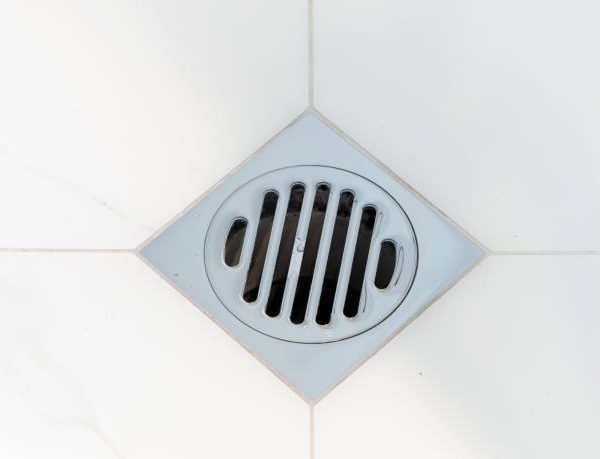
The next step in learning how to unscrew shower drain components is identifying how the cover is attached.
Look for:
- Visible screws
- Threaded drain flanges
- Snap-on covers
- Hidden locking tabs
Some drain covers simply lift out, while others twist counterclockwise for removal.
If the drain is dirty or covered with soap scum, clean it first so attachment points become visible.
Step 3: Remove Visible Screws
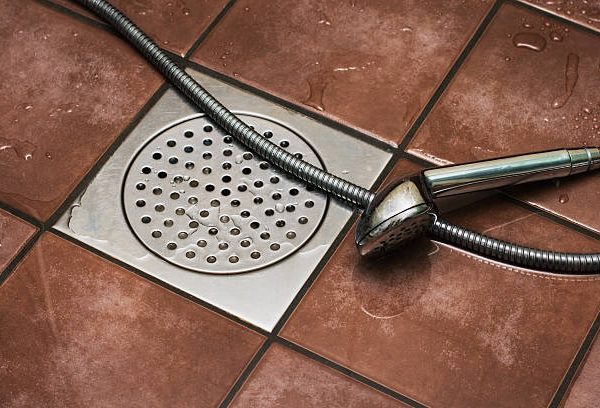
If your shower drain has screws, use the correct screwdriver to remove them carefully.
Tips for removing screws safely:
- Turn slowly counterclockwise
- Apply firm downward pressure
- Avoid stripping the screw heads
- Store screws safely for reinstallation
If the screws are rusted, spray lubricant and wait several minutes before trying again.
Once the screws are removed, lift the drain cover gently.
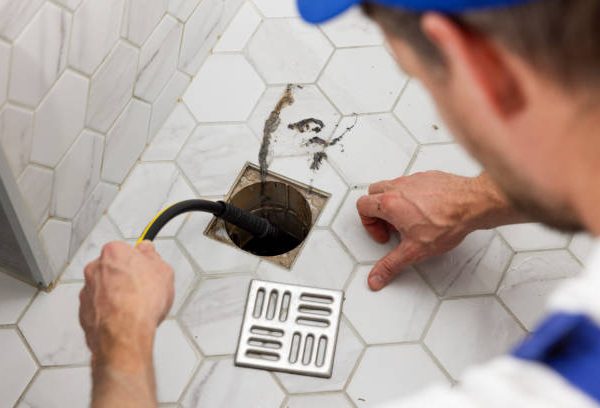
Step 4: Pry Up Snap-In Drain Covers
Some shower drains use snap-in covers instead of screws.
To remove them:
- Insert a flathead screwdriver under the edge
- Pry upward slowly
- Work around the perimeter evenly
- Avoid excessive force
Do not bend the metal cover aggressively because it may warp and become unusable.
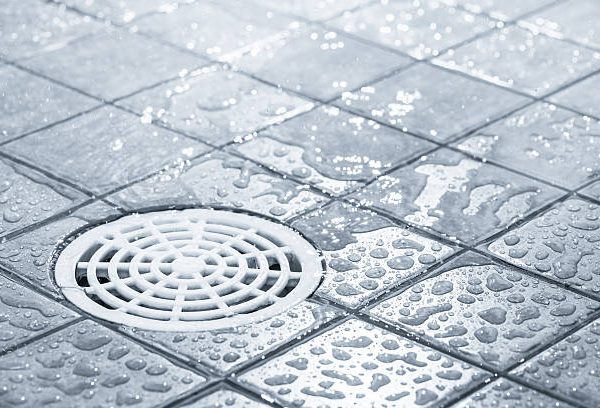
Step 5: Unscrew the Drain Flange
Many homeowners specifically search for how to unscrew shower drain flanges because they often become stuck from age or corrosion.
The flange is the threaded metal ring connected to the drain body.
To remove it:
- Insert pliers handles or a drain wrench into the drain opening
- Turn counterclockwise slowly
- Apply steady pressure
- Avoid jerking motions
If the flange refuses to move, apply penetrating lubricant and wait 10–15 minutes before retrying.
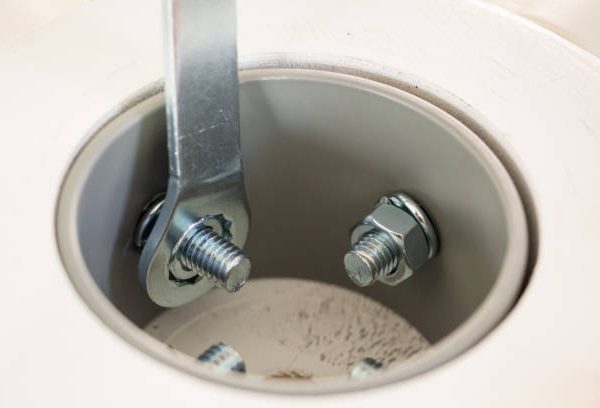
Step 6: Handle a Stuck or Rusted Shower Drain
Older drains commonly seize due to rust, mineral buildup, or old plumber’s putty.
Tips for Removing a Stuck Drain
- Spray penetrating oil generously
- Let the lubricant soak into the threads
- Use locking pliers for a better grip
- Warm the metal slightly with a hair dryer
- Tap gently around the flange
Never use extreme force because cracking the drain pipe can lead to expensive plumbing repairs.
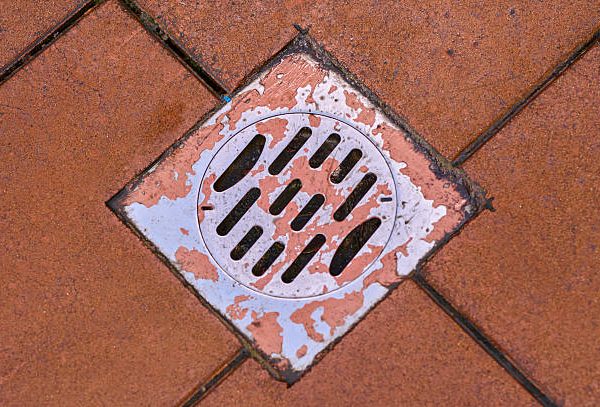
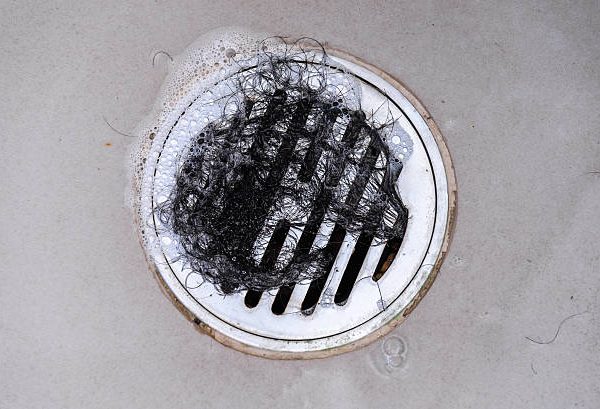
Step 7: Remove Hair and Debris
Once the drain cover or flange is removed, inspect the pipe opening.
You will often find:
- Hair clogs
- Soap residue
- Mineral buildup
- Dirt accumulation
Use needle-nose pliers or a drain snake to remove debris carefully.
Cleaning the drain thoroughly improves water flow and reduces odors.
Step 8: Inspect the Drain Components
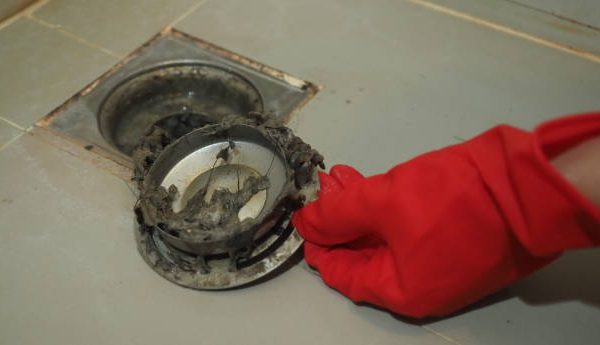
After removal, inspect all drain parts for damage.
Look for:
- Rust
- Cracks
- Broken threads
- Worn rubber gaskets
- Corrosion
If components appear damaged, replacing them now can prevent future leaks and drainage problems.
Step 9: Clean the Drain Area Thoroughly
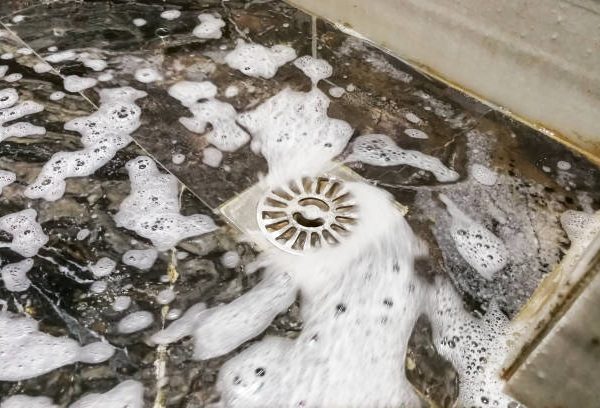
Before reinstalling the drain, clean the surrounding area completely.
Use:
- Warm water
- Mild bathroom cleaner
- Soft scrub brush
- Old toothbrush for tight spaces
Remove old plumber’s putty or silicone residue if necessary.
A clean surface helps ensure proper resealing and installation.
Step 10: Reinstall or Replace the Shower Drain
The final step in how to unscrew shower drain systems is proper reinstallation.
To reinstall:
- Apply fresh plumber’s putty if required
- Thread the flange clockwise
- Tighten carefully
- Reattach the drain cover
- Test water drainage
Avoid overtightening because it may damage threads or crack surrounding materials.
Run water for several minutes to confirm proper drainage and leak-free installation.
Common Problems When Removing Shower Drains
Drain Spins Without Loosening
This usually happens when internal connections break loose.
Try holding the drain body steady with pliers while turning the flange.
Rusted Screws
Use penetrating oil and allow time for it to work before attempting removal.
Cracked Drain Cover
Old plastic covers can become brittle. Replace damaged covers immediately.
Stubborn Mineral Buildup
White vinegar can help dissolve hard water deposits around drain threads.
When to Call a Professional Plumber?
Sometimes removing a shower drain becomes more complicated than expected.
Call a plumber if:
- The drain pipe cracks
- The threads are severely corroded
- Water leaks beneath the shower
- The drain body will not loosen
- Plumbing connections are damaged
Professional plumbers have specialized drain removal tools that minimize damage risk.
Final Thoughts
Understanding how to unscrew shower drain components correctly helps homeowners handle clogs, maintenance, and bathroom repairs more confidently. By following these 10 easy steps, you can safely remove most shower drains without damaging the plumbing system.
Whether you are cleaning out hair buildup, replacing a drain cover, or remodeling your shower, using the right tools and techniques makes the process much easier. Always work carefully, avoid excessive force, and inspect drain parts thoroughly before reinstalling them.
With proper maintenance and regular cleaning, your shower drain can remain functional, clean, and clog-free for years to come. Learn more about this service on Discover Local Now.